Robotaxis Function Without Drivers, But Waymo Ends Up Paying Delivery Workers to Shut Ajar Doors
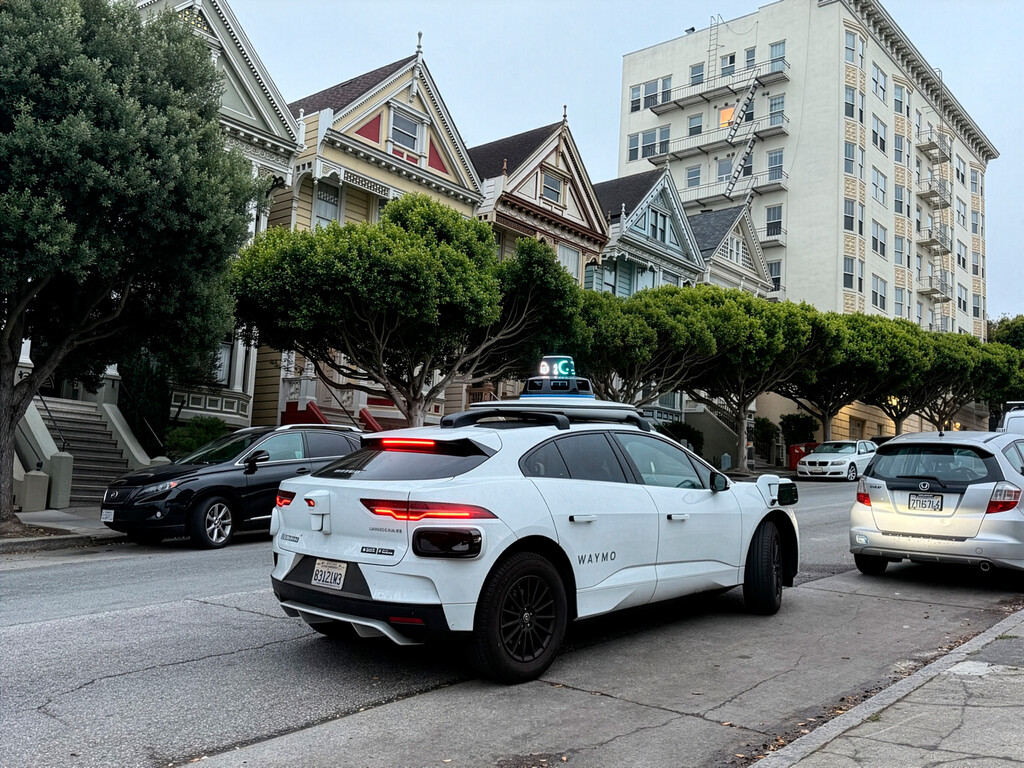
What once seemed like pure science fiction is now appearing on city streets: vehicles that can travel from one location to another without a human driver. You don’t even need to own one to experience it. In certain cities around the world, simply request a robotaxi through an app and watch as the car arrives to pick you up, with some models displaying your initials on a rooftop LED screen, as our colleague Javier Lacort observed in San Francisco nearly two years ago.
Futuristic Scene, Current Challenges
Amid this shift in transportation, which aims to provide greater safety and convenience, some vulnerabilities are emerging. This isn’t about traffic jams caused by connectivity issues or vehicles that inexplicably honk at four in the morning. The problem is more fundamental: if a user doesn’t close the door properly, the vehicle cannot continue operating.
The Issue Isn’t Driving, It’s Departing
In cases reported by CNBC and TechCrunch, the vehicles become stuck if a passenger leaves a door slightly open at the end of a trip. Waymo confirmed to both outlets that this prevents the car from resuming travel and handling new rides until the door is fully closed. It’s a basic friction point, almost everyday in nature, that turns a simple oversight into an operational hurdle and explains why the company must rely on human assistance to get its vehicles back in service quickly.
Compensating Delivery Workers
The company is testing a system in Atlanta that notifies nearby delivery workers from apps like DoorDash when one of its vehicles has an open door. The task is straightforward: go to the location, close the door, and allow the robotaxi to resume operations. The reports mention an instance where a driver was offered $11.25 for this quick job. They also describe a similar assignment broken down into $6.25 for the trip and an additional $5 after confirming the closure.
Not an Isolated Case
The Atlanta pilot isn’t the only example of this occasional reliance on human help. Waymo has also used users of Honk, a roadside assistance platform, to address similar situations in other U.S. cities. In those cases, some participants received offers of up to $24 to close the door of a stalled robotaxi. More than a local anecdote, these instances reveal a clear operational pattern: when a vehicle is immobilized by a minor detail, the fastest solution still involves dispatching a person.
Automatic Doors on the Horizon
Today, Waymo operates a fleet entirely composed of electric Jaguar I-PACE vehicles modified for autonomous driving, which still require human intervention in scenarios like this. However, the Google-owned company states that this limitation has an expiration date, though without specifying it: it has announced that future robotaxis will feature automatic closing mechanisms. In the meantime, the current state of autonomous vehicles continues to show this duality: advanced sophistication in driving paired with human dependence on the simplest details.
Images | Xataka
In Xataka | When San Francisco experienced a blackout, its streets descended into chaos for one reason: stranded autonomous cars